

Within the dynamic realm of Twitch broadcasting, material is created and consumed at an astonishing rate. Whether you are a casual viewer catching your preferred streamers in live performance or a media creator looking to preserve your best moments, comprehending how to correctly record, save, and archive Twitch material is essential. The platform's dynamic nature means that standout moments, VODs, and clips can often become buried in the sea of live broadcasts. This manual intends to help you orchestrate the details of capturing Twitch streams efficiently, ensuring that you do not overlook a second of gaming excellence.
From capturing Twitch streams on different devices to automating the download of clips and highlights, we will explore the most effective methods accessible on multiple platforms. You will learn about the tools that facilitate high-quality recordings, strategies for long-term saving and management, and the legal considerations that can arise into play when archiving content. Regardless of whether you are using a high-end setup on a desktop or recording content on the go with a mobile device, this comprehensive guide will provide you with the insight needed to safeguard and appreciate your most-loved Twitch moments for years to ahead.
Capturing Twitch Broadcasts
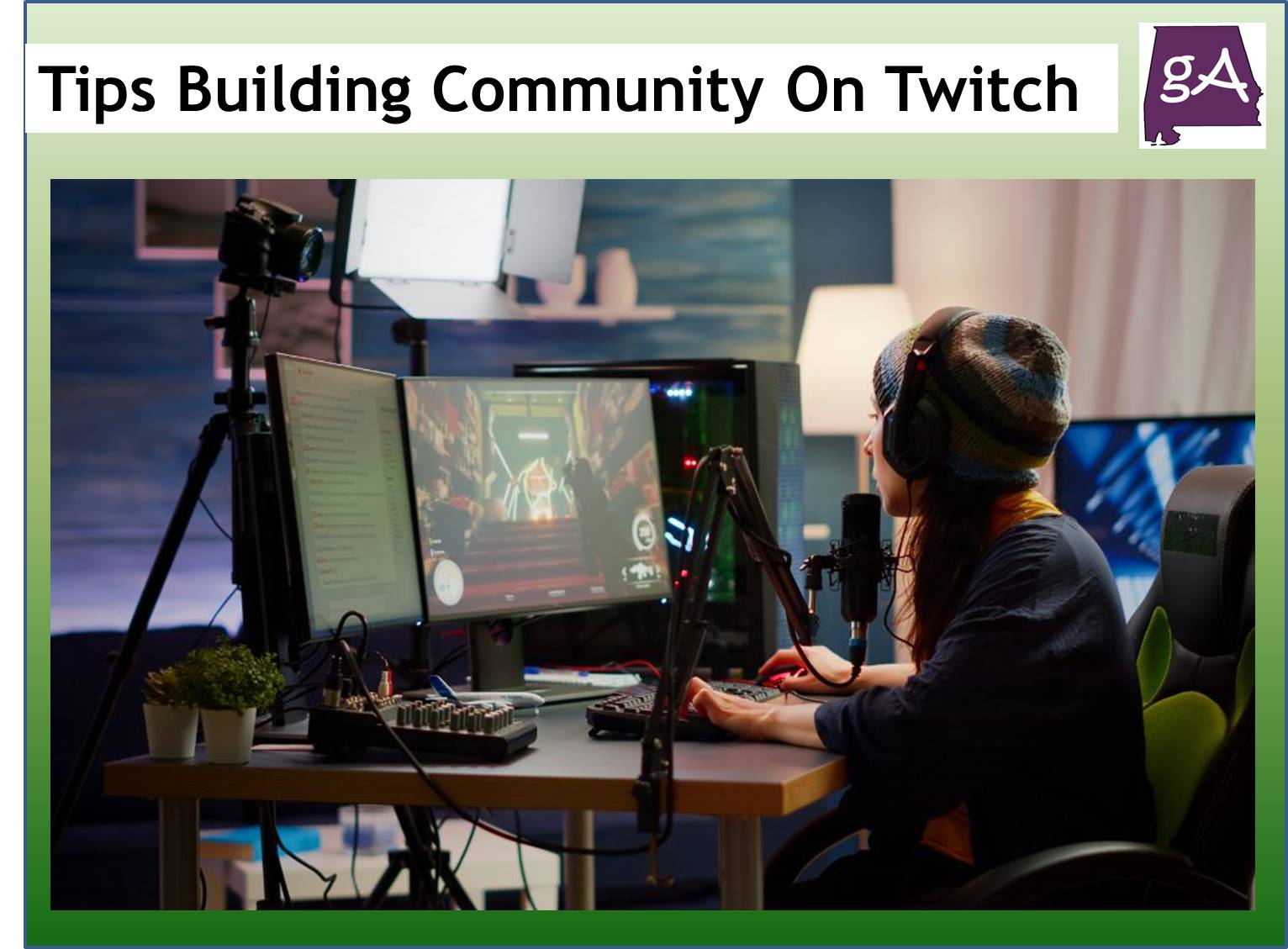
Capturing Twitch.tv streams can be essential for streamers who wish to preserve their broadcasts for later viewers. To start, you'll need suitable tools to record the stream effectively. Both Mac and Windows users have access to reliable recording tools. Common choices include OBS Studio, Streamlabs, and XSplit, which provide flexible settings to ensure excellent audio and visual quality during the recording process. It's vital to set the resolution and data rate according to your requirements to maintain the integrity of the footage.
For those looking to record on Apple computers, Open Broadcaster Software is often recommended for its ease of use and versatility. Windows users can also take advantage of native applications like the Windows Game Bar or external software for additional features. Ensure your settings are tweaked for a seamless capture process, including keeping track of your disk space, as high-quality captures can take up considerable storage.
As you record your broadcasts, consider the importance of interacting with your audience in real-time while also recording top-notch content. This balance can help you create rich material that resonates with viewers. Remember to periodically test your configuration to avoid technical glitches, and consider using a backup system for redundancy in the event of any issues during the broadcast stream.
Getting Twitch VODs and Clips
To obtain Twitch VODs and clips, you can make use of several methods that match your device and preferences. One of the most straightforward options is to take advantage of Twitch's native features. For streamers, Twitch enables you to download your own VODs directly from the Video Producer dashboard. Just navigate to your dashboard, select the VOD you wish to download, and click the save button. This ensures that you have a high-quality version of your stream saved for future use.
For those looking to save clips, the process is also straightforward but is dependent on the source of the clip. If you made the clip yourself, you can download it likewise through your dashboard. However, if you want to download clips made by others, third-party tools become essential. Different software and browser extensions enable users to download clips effortlessly. Look for reliable options that provide a user-friendly interface to capture and maintain the standard of the content you wish to save.
When considering downloading VODs and clips, remember to verify compliance with Twitch's content policies. Always Proven tips , especially when downloading clips made by different creators. If you plan to use these materials for editing or redistribution, ensure you adhere to fair use guidelines. Properly managing and backing up your downloaded content can also help you maintain an organized archive while preserving the integrity for any future projects, such as video editing or highlight reels.
Maintaining Twitch Content
Storing your Twitch.tv content is crucial for both streamers and audiences who want to revisit their beloved moments. With the platform's VOD and clip system, videos can quickly be recorded and stored for later enjoyment. Knowing how to properly capture Twitch.tv streams not only improves your viewing experience but also helps in organizing a personal archive of moments, tutorials, or entertainment that you can access whenever you want. Using the right tools will make the process seamless and allow you to keep your content each time you go live.
When capturing streams, consider various methods based on your preferred hardware and platform. For PC users, desktop recording software often provides robust features with choices for high-definition Twitch.tv recording and compression settings, making sure that you don't compromise on audio and video performance. Mac users can use native applications or third-party tools designed specifically for recording Twitch content efficiently. For those looking to capture on the go, mobile Twitch.tv recording apps provide flexible options to record streams directly from their devices.
Archiving highlights and storing Twitch.tv VODs not only promotes channel growth but also aids in monetization strategies for broadcasters. Maintaining organized files and ensuring long-term preservation solutions will allow easy access to content for modifying and repurposing in the future. Additionally, it is crucial to know the legal considerations and fair use rules that apply to captured content, ensuring that your work benefit to both your channel and the Twitch community at large.
Editing and Organizing Recorded Footage
Once you have captured your Twitch broadcasts, the next phase is to modify and arrange your material efficiently. There are various software options at your disposal that permit you to cut unnecessary parts, insert effects, and superimpose voiceover or images. Popular editing software like Adobe's Premiere Pro, Final Cut, and even user-friendly programs like OpenShot or iMovie by Apple can improve the viewing quality. Prioritize maintaining excellent audio and video fidelity during the editing process to guarantee your material continues to be engaging and professional.
Arranging your recorded streams is important for simple locating and future access. Establish a systematic folder structure on your storage medium that sorts your content by time, category, or type of content. This organization strategy will allow you to quickly retrieve particular segments or highlights when you need to share, share, or modify them again. Uniform naming patterns can also significantly enhance findability and availability over the duration.
Lastly, reflect on integrating metadata tagging for your recordings. This technique entails including pertinent information such as game titles, date, and kind of content to each recording. This routine not only assists in enhanced structuring but also helps in boosting your content's discoverability across platforms. By allocating time in modifying and organizing your Twitch footage, you will boost their worth, making it easier to connect with your audience and grow your channel.
Lawful Considerations for Recording
When capturing Twitch.tv broadcasts and material, understanding legal considerations is important. Twitch operates under distinct terms of service that outline what can and cannot be conducted with broadcasted content. As a basic rule, creators must adhere to copyright laws and the ownership of content. This means that should you are capturing someone else's broadcast, you must obtain permission from the original content creator before using that content. Always review the Twitch Terms of Service to confirm that your activities align with the platform's guidelines.
Fair usage rules also come into play when recording Twitch material. In specific situations, capturing and using a portion of a stream may be considered fair use, particularly for commenting, criticism, or educational purposes. However, the determination of fair usage can be complex and is analyzed on a case-by-case basis. It's crucial to grasp the subtleties of fair usage to avoid potential legal issues, particularly if you plan to distribute the recorded content broadly.
Finally, should you intend to profit from your recordings or gain profit from them, the lawful landscape becomes even more complicated. You may require to navigate licensing agreements and maybe seek permissions from content creators. Maintaining openness with the original content creators and adhering to copyright laws will help in protecting against legal challenges, allowing for accountable archiving and sharing of Twitch.tv content.